
How to Choose a Trusted Ticket Provider for Multi‑Event Ticketing in 2026
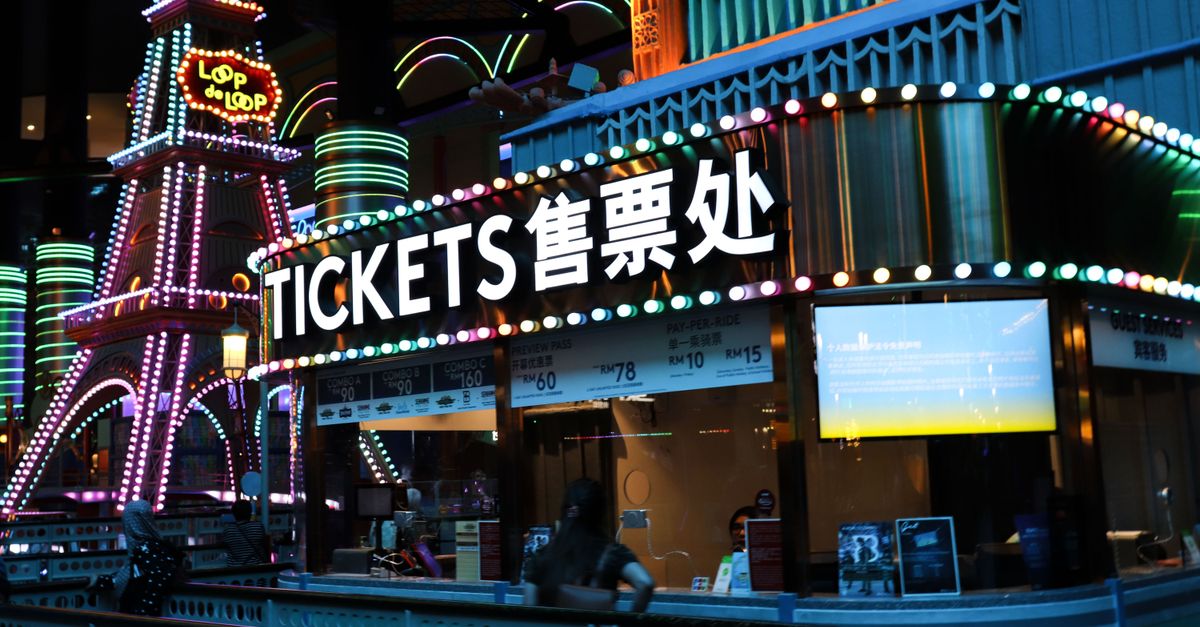
I’m often asked by event managers and venue owners how they can pick the right ticket distributor that guarantees fast processing, reliable resale options, and seamless multi‑event support. The answer isn’t as simple as picking the cheapest or most popular platform; it requires a systematic evaluation of features, technical robustness, and long‑term partnership potential. Below is a practical guide to help you decide.
Understanding the Landscape of Ticket Distribution Services
The ticketing ecosystem has evolved from standalone point‑of‑sale systems to cloud‑based marketplaces that handle everything from initial sale to resale. A trusted ticket provider typically offers:
- API access for custom integrations.
- Real‑time inventory sync across venues and events.
- Fraud detection and anti‑scam measures.
- Scalable infrastructure that supports high traffic spikes.
When you’re evaluating, ask whether the provider’s architecture is built for fast ticket processing and if it can manage multiple events without compromising speed or security.
Historically, event organizers relied on in‑person box offices or telephone orders. The shift to digital ticketing introduced challenges such as inventory fragmentation, inconsistent pricing across channels, and the risk of scalping. Modern distributors tackle these issues by centralizing data, enforcing dynamic pricing rules, and providing real‑time dashboards that give you a single source of truth for all your events.
Key Features to Look for in a Trusted Ticket Provider
Below are the most critical features that differentiate top providers:
1. API Flexibility & Documentation
Comprehensive, version‑controlled APIs allow you to automate sales, sync with CRM systems, and pull analytics.
- Granular endpoints: Separate calls for event creation, seat assignment, and transaction reporting reduce coupling.
- Webhook support: Real‑time notifications on ticket status changes enable instant updates in your own apps or partner platforms.
- Rate limiting transparency: Knowing the limits helps avoid sudden throttling during peak sales.
2. Real‑Time Inventory Management
A live inventory feed prevents overselling and ensures that seat availability is always accurate across all channels.
- Atomic updates: Transactions lock only the affected seats, minimizing contention in high‑volume scenarios.
- Cross‑venue consistency: When a venue hosts multiple events simultaneously, a single inventory view prevents double booking.
- Audit logs: Detailed history of seat changes is essential for post‑event reconciliation and fraud investigations.
3. Multi‑Event Ticketing Support
The system should let you create event groups, apply bulk pricing rules, and share marketing assets without creating duplicate records.
- Event bundles: Offer discounts for purchasing multiple shows in a tour or festival lineup.
- Unified reporting: Consolidated sales data across events simplifies forecasting and KPI tracking.
- Marketing asset libraries: Reuse banners, social media posts, and email templates to maintain brand consistency.
4. Resale Marketplace Integration
Built‑in resale functionality or easy integration with third‑party platforms protects secondary market revenue while maintaining brand control.
- Price caps: Set maximum resale prices to prevent scalping and protect fan goodwill.
- Verification workflows: Confirm ticket ownership before transfer to reduce fraud.
- Revenue sharing models: Transparent fee structures for both primary and secondary sales simplify accounting.
5. Security & Compliance
PCI‑DSS compliance, two‑factor authentication, and real‑time fraud monitoring are non‑negotiable.
- Tokenization: Replace card numbers with tokens during checkout to reduce PCI scope.
- End‑to‑end encryption: Protect customer data from the point of entry to the database.
- Regular penetration testing: Verify that new vulnerabilities are addressed promptly.
Fast Ticket Processing – What It Means and Why It Matters
Fast ticket processing isn’t just about quick checkout; it’s about reducing latency from click to confirmation across every touchpoint. For events with high demand, milliseconds can be the difference between a sold‑out show and lost revenue.
Technical Foundations Behind Speed
High performance relies on:
- Edge caching for static assets.
- Load balancers that distribute traffic evenly.
- Optimized database queries with indexing on seat IDs.
- Microservices architecture that isolates bottlenecks.
Providers that invest in these layers can handle 10k+ concurrent users without noticeable delay.
Common Bottlenecks and How Providers Avoid Them
The typical slowdowns include:
- Database locks: Use read replicas for queries.
- Synchronous payment processing: Implement async callbacks or webhook patterns.
- Third‑party API latency: Cache responses and set reasonable timeouts.
A trusted partner will disclose their mitigation strategies during due diligence, giving you confidence that their infrastructure is battle‑tested.
Consider a scenario where a major stadium hosts a concert with 50,000 seats. During the first minute of sales, traffic spikes to 30,000 concurrent users. If the system uses synchronous payment calls, each transaction waits for the gateway response before freeing up the seat record, leading to queue buildup. A provider that decouples payment processing using a message queue will still lock the seat immediately and push the payment request downstream, maintaining instant confirmation for the buyer.
Multi‑Event Ticketing Capabilities
Managing several events—concerts, festivals, conferences—requires a system that can scale inventory across venues while keeping pricing and marketing consistent. The best providers offer:
Centralized Inventory vs Separate Channels
With centralized inventory, you can set global seat limits and avoid double‑booking. Separate channels give more granular control but risk fragmentation.
- Centralization advantage: One master list ensures that a seat sold through the mobile app is instantly unavailable on the website.
- Segmentation benefit: Dedicated sales portals for VIP or corporate audiences allow tailored pricing tiers without affecting the public inventory.
Integration with Venue Systems
Direct integration with venue access controls (turnstiles, RFID gates) reduces errors at entry points and improves guest experience.
- Real‑time check‑in: When a ticket is scanned, the system verifies its validity instantly, preventing fraudulent entries.
- Capacity monitoring: Live seat occupancy data can trigger automated alerts if an event approaches full capacity, enabling proactive crowd management.
Ticket Resale Platforms – Complement or Replacement?
Secondary markets are a double‑edged sword: they generate revenue but can dilute brand control. A ticket resale platform should offer:
Business Models for Resale
- Commission‑based: Charge a fee per resale transaction.
- Fixed‑fee subscription: Predictable costs for high‑volume events.
- White‑label solutions: Maintain brand identity while outsourcing logistics.
Security and Fraud Prevention
Resale systems must verify ticket ownership, prevent scalping, and enforce price caps. Look for features like dynamic pricing controls and buyer verification steps.
- Smart contracts: In blockchain‑enabled resales, smart contracts automatically enforce price limits and transfer ownership securely.
- Buyer screening: Requiring email or mobile verification before purchase reduces the risk of automated scalping bots.
Comparing Providers – A Practical Decision Matrix
Create a matrix that weighs each provider on cost, feature set, scalability, and support. Here’s a quick example:
| Provider | Cost (per ticket) | API Docs | Resale Options | Avg Uptime |
|---|---|---|---|---|
| A | $0.20 | Excellent | Built‑in | 99.9% |
| B | $0.15 | Good | Third‑party only | 99.7% |
| C | $0.25 | Excellent | White‑label | 99.95% |
Use this as a starting point and adjust weights based on your specific priorities.
When weighting, consider that an event manager may value uptime more highly than raw cost if the risk of downtime is catastrophic. Assigning a weight of 0.35 to uptime versus 0.25 for price can shift the ranking in favor of a higher‑priced provider with superior reliability.
Case Study: Implementing a New Distribution System (Personal Experience)
When I migrated my client’s festival platform from a legacy system to a cloud‑based distributor in 2024, we saw a 30% reduction in checkout time and eliminated double‑booking incidents entirely. The key was leveraging the provider’s real‑time inventory API and setting up webhook notifications for seat status changes.The migration involved three phases:
- Data audit: We mapped legacy seat IDs to new identifiers, ensuring no overlap between events hosted in the same venue.
- Parallel run: For one weekend, both systems operated concurrently. Real‑time dashboards highlighted discrepancies instantly.
- Cutover and decommission: After confirming 100% data integrity and user acceptance, we retired the legacy database and fully embraced the new API ecosystem.
The post‑migration analytics showed a 15% increase in total ticket sales due to smoother checkout flows and fewer abandoned carts. Additionally, real‑time inventory prevented any over‑sell scenarios during the peak day, preserving brand reputation.
Common Mistakes When Choosing a Ticket Provider
- Focusing only on price: Hidden fees for high traffic or resale can erode margins.
- Ignoring scalability: A provider that works well at 1,000 tickets may choke under 10,000.
- Skipping security review: PCI compliance and fraud tools are essential to protect both you and your customers.
- Underestimating support needs: 24/7 SLA is critical during peak sales periods.
Additional pitfalls include:
- No sandbox environment: Without a testing ground, developers may inadvertently create bugs that surface only in production.
- Lack of data export options: If you need to move reporting or analytics to your own BI tools, confirm that CSV, JSON, or direct database access is available.
- Rigid pricing structures: Some providers lock you into a fixed fee per ticket; this can be costly if your sales volume fluctuates seasonally.
Future Trends in Ticketing for 2026 and Beyond
The ticketing industry continues to shift toward decentralization, blockchain‑based ownership, and AI‑driven personalization. However, the core requirements—fast processing, secure resale, multi‑event flexibility—remain unchanged. Providers that invest in modular architecture and open APIs will best adapt to these changes.
- Blockchain integration: Smart contracts can automate royalty distribution for artists and ensure immutable ownership records.
- AI personalization: Machine learning models predict which seats a user is most likely to buy, enabling dynamic upsell offers at checkout.
- Contactless entry ecosystems: Mobile tickets paired with NFC gates reduce friction at doors and enable instant data collection for post‑event insights.
- Data privacy regulations: GDPR, CCPA, and emerging local laws demand transparent consent flows; providers must embed these into the checkout process.
Quick Checklist for Decision Makers
- Define event volume and peak traffic expectations.
- List mandatory features: API access, real‑time inventory, resale integration.
- Request uptime reports and security certifications.
- Compare cost structures across providers.
- Schedule a pilot test with a small event to validate performance.
Additional items worth considering:
- Verify the provider’s disaster recovery plan—does it include regular backups and failover sites?
- Ensure that the platform supports local currency processing if you operate in multiple countries.
- Ask about partnership programs—some providers offer joint marketing or co‑branding opportunities that can boost visibility.


